KSI Games Guide Center
Use the Dungeons and Dragons tabs for classic campaign play, plus dedicated tabs for Hunger Games.
Never Played Before? Start Here
Dungeons and Dragons is collaborative storytelling. You describe what your hero tries, the Game Master narrates what happens, and dice decide uncertain moments.
Player
You control one hero. You decide their actions, personality, choices, and goals.
Game Master
The Game Master runs the world, describes scenes, and controls monsters and NPCs.
Party
You play as a team. Dungeons and Dragons is most fun when everyone supports each other's spotlight moments.
How a Turn Works (Simple Version)
- Scene: The Game Master describes where you are and what is happening.
- Intent: You say what your hero tries to do.
- Roll: If success is uncertain, you roll a d20 and add a bonus.
- Result: High rolls usually succeed, low rolls create complications.
- Story Moves: The world reacts and the scene continues.
Dice Cheat Sheet
| Die | Common Use | Example |
|---|---|---|
| d20 | Attack rolls, skill checks, saving throws | "Can I sneak past the guard?" |
| d4 / d6 / d8 / d10 / d12 | Damage and healing rolls | "My sword deals 1d8 damage." |
| d100 (percentile) | Rare special chance rolls | "What are the odds this weird event happens?" |
What to Say as a New Player
- "I want to look around the room for clues."
- "I want to persuade the guard to let us pass."
- "I attack the goblin with my sword."
- "I cast a spell to protect our party."
- "I help another player with their action."
Your First Session Checklist
Log in, pick your character, read campaign updates, then jump into the adventure.
1. What Dungeons and Dragons Actually Is
DnD is a cooperative game where players and a Game Master build a story together. It is not players vs GM. Everyone is trying to make a fun adventure.
- Players control one hero each.
- Game Master controls the world, NPCs, monsters, and consequences.
- Rules + Dice decide uncertain outcomes fairly.
- Roleplay + Tactics together create memorable moments.
2. Session Zero: Before the Adventure Starts
A strong campaign starts with one planning conversation. This prevents confusion and makes sessions smoother.
- Agree on tone: heroic fantasy, dark survival, mystery, comedy, or mixed.
- Set table expectations: attendance, pacing, spotlight sharing, and respect.
- Confirm allowed classes, subclasses, and optional rules.
- Build party roles so not everyone fills the same niche.
- Define safety boundaries and content limits for comfort.
3. Character Build Order (Simple and Reliable)
- Pick concept first: who your hero is and what they are good at.
- Choose class and subclass based on playstyle.
- Choose race, background, and alignment for flavor and utility.
- Set ability scores to support your primary class role.
- Select proficiencies that match how you want to solve problems.
- Review AC, HP, attacks, and one fallback action before session one.
4. Core Gameplay Loop
Most DnD moments follow this structure:
- Scene: GM describes situation, risks, and opportunities.
- Intent: You state what your character attempts.
- Roll: d20 check, attack, or saving throw if outcome is uncertain.
- Result: Success, partial success, or setback changes the scene.
- Next Choice: Party adapts and pushes story forward.
5. Combat Turn Breakdown
- Initiative: determines turn order for the encounter.
- Movement: reposition up to your speed each turn.
- Action: attack, cast, dash, dodge, help, hide, or interact.
- Bonus Action: class/feature-specific extra option if available.
- Reaction: off-turn response (for example opportunity attack).
- Team Play: positioning, focus fire, and support usually beat solo hero plays.
6. Dice and Math Basics
- d20 + modifier is the most common check formula.
- Advantage: roll two d20, keep higher. Disadvantage: keep lower.
- DC (Difficulty Class) is the target number to meet or beat.
- Proficiency bonus applies to trained skills/saves/attacks.
- Critical hit usually occurs on natural 20 attack roll.
7. Spellcasting Basics
- Cantrips are reusable and do not consume slots.
- Spell slots are limited resources consumed by leveled spells.
- Concentration means you can usually maintain one concentration spell at a time.
- Many spells require a save DC or a spell attack roll.
- Read range, duration, and target text before casting to avoid mistakes.
8. Progression and Getting Better
- Level up when your GM confirms milestone or XP threshold.
- Upgrade primary stats first to improve reliability.
- Keep gear current: armor, weapon, utility items, healing options.
- Use short rests and long rests strategically between risks.
- After each session, update your sheet while events are fresh.
Start Here
The Dungeons and Dragons website is your campaign hub for characters, progress, and world updates.
- Log in with your Discord account.
- View all heroes, campaign history, and map progress.
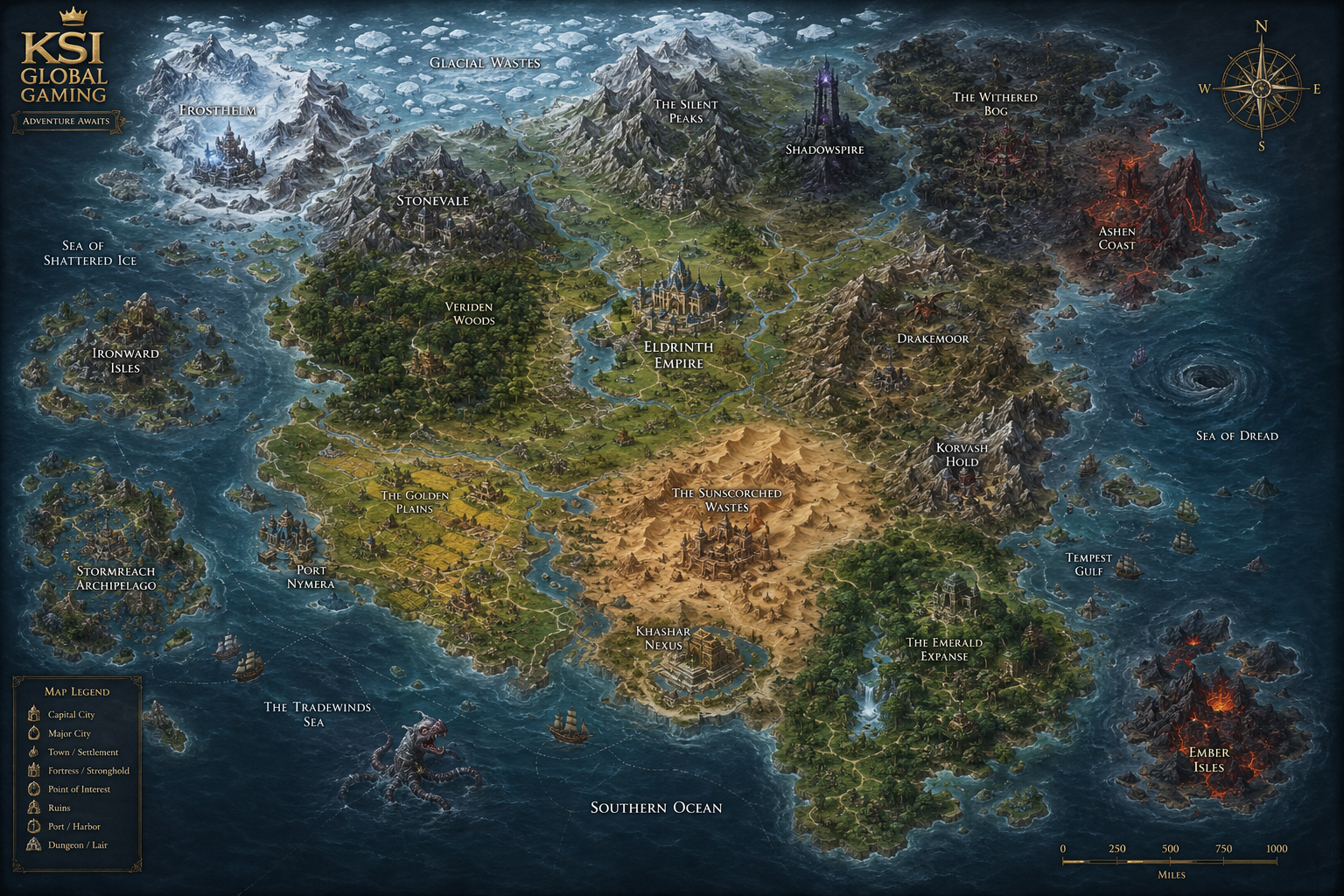
- Track your party's world exploration with fog-of-war regions.
- Use the GM page only if you are running the game.
How to Log In
- Click Login with Discord in the top-right menu.
- Approve login in Discord when asked.
- You are returned to the home page already signed in.
- Your account avatar and name appear in the top navigation.
How to Sign Up (First Time)
- You do not need a separate site password; this site uses your Discord account.
- Click Login with Discord and approve access.
- Your player profile is created automatically on first successful login.
- After that, use the same Discord login anytime to return to your account.
How to Create a Character
- Log in with Discord first.
- Open the Characters page.
- Use the Create Character form at the top.
- Enter a character name, choose race, choose class, then choose subclass.
- Click Create. You are redirected to your new character sheet.
How Players Update Stats
- Open your character sheet.
- Click Edit Stats.
- Update ability scores, hit points, armor class, and proficiencies when your GM allows it.
- Save your changes and the sheet recalculates skill and saving throw bonuses automatically.
- Skill bonuses are not typed in separately; they come from the ability score plus proficiency.
How Skill Bonuses Work
The site calculates each skill from the matching ability score, then adds your proficiency bonus if the skill is marked proficient.
- Acrobatics uses Dexterity.
- Intimidation uses Charisma.
- Perception uses Wisdom.
- Example: if your Dexterity bonus is +4 and you are proficient in Acrobatics, your Acrobatics bonus becomes +7.
- To make a hero better at certain skills, raise the matching ability score and add the skill to the proficiency list.
- Players can update their own sheet from the character page using Edit Stats when the GM allows changes.
Monsters and NPCs
Game Masters now have a dedicated NPC / Monster Sheets page for custom stat blocks.
- Open GM → NPC / Monster Sheets to create a stat block.
- Set ability scores first, then add skill proficiencies for the skills you want the creature to be good at.
- The sheet will calculate skill bonuses from the stats plus proficiency bonus.
Inventory and Item Usage
- Open your character sheet and scroll to Inventory.
- Use Add to add new items and quantities.
- Use Use 1 to consume one unit of an item.
- Toggle Equip / Unequip for currently worn or held gear.
- Game Masters can also manage inventory directly on NPC / Monster sheets.
Homebrew Content Policy
Custom classes, monsters, spells, and rules can be tracked in the campaign homebrew library.
- Game Masters maintain entries in GM → Homebrew Library.
- Each entry can be toggled Allowed or Not Allowed.
- Players can see approved entries on character and NPC-related pages.
- If something is not approved yet, ask your GM before using it in session play.
How to Become a Game Master
Speak to a current Game Master or contact Linden to request Game Master access.
Game Master Only Actions
- Open the GM Panel to promote or remove Game Masters.
- Open the NPC / Monster Sheets page for custom creature stat blocks.
- Reveal new map regions as the party discovers them.
- Hide regions when needed for story control.
- Set the party's current location on the map.
- Reveal the entire map instantly if your campaign calls for it.
What Each Page Does
| Page | What You Use It For | Access |
|---|---|---|
| Home | Quick look at campaign activity, hero rankings, and realm status. | Everyone |
| Characters | Create a new character, browse active characters, and filter by name, class, or race. | Everyone |
| Character Details | Open one hero sheet to see stats, gear, and profile details. | Everyone |
| Leaderboard | See which heroes are leading by level, XP, and gold. | Everyone |
| Campaign | Read the running timeline of campaign events and outcomes. | Everyone |
| Map | View known world regions and the party's current location. | Everyone (Game Master controls map tools) |
| GM Panel | Manage who has Game Master access. | Game Masters only |
| Guide | This player handbook page. | Everyone |
| Login / Logout | Sign in with Discord or sign out of your session. | Everyone |
Discord Commands Guide
Use these slash commands in Discord to play. Format notes: commands that show options usually open Discord fields for item name, target, quantity, or quest id.
Character Commands
- /createcharacter - Create a new character profile. Use when starting fresh. Example use: run command, then fill class/race fields.
- /deletecharacter - Permanently remove one of your characters. Use carefully; this is for retiring or replacing a hero.
- /levelup - Spend a level when eligible. Use after enough XP or milestone progress.
- /sheet - View your current character sheet and core stats quickly.
Exploration and Quests
- /explore - Perform an exploration action in the current area to discover events, resources, or encounters.
- /quest board - List available quests you can accept.
- /quest active - Show quests currently in progress.
- /quest generate GM Only - Generate a new quest entry for players.
- /quest complete GM Only - Mark a quest complete and apply rewards/outcomes.
Combat
- /startcombat GM Only - Start a combat encounter and initialize turn flow.
- /attack - Make an attack against a target during combat.
- /endcombat GM Only - End the active encounter and close combat state.
- /roll - Roll dice for checks, saves, attacks, or custom expressions (for example d20, 2d6+3).
- /cast - Cast a spell, usually selecting spell and target/options in Discord.
Inventory
- /inventory view - Show your current inventory and equipped state.
- /inventory use - Use a consumable or usable item from inventory.
- /inventory equip - Equip a weapon/armor/item from inventory.
- /inventory drop - Remove an item from your inventory, often with quantity.
Party and Recovery
- /party create - Create a new party group.
- /party join - Join an existing party (normally by code/name).
- /party leave - Leave your current party.
- /party view - View party members and basic party status.
- /rest short - Take a short rest for limited recovery.
- /rest long - Take a long rest for major/full recovery.
Shop and Help
- /shop browse - View current shop inventory.
- /shop buy - Purchase an item from the shop.
- /shop sell - Sell an item from your inventory to the shop.
- /shop info - View details for a specific shop item before buying.
- /help - Show available commands and quick syntax reminders.
GM-Only Command Summary
Only Game Masters can run the commands below:
- /startcombat - Starts combat for the current encounter.
- /endcombat - Ends combat and returns to normal play flow.
- /quest generate - Creates quests for players to pick up.
- /quest complete - Completes quests and applies results.
Quick Answers
- Who can see the site? Anyone with the link can view most pages.
- Who can manage Game Masters? Only Game Masters.
- Why is part of the map hidden? Hidden regions are unrevealed story areas.
- Where do I check my hero details? Open Characters, then click your hero name.
- How do I make my first hero? Log in, open Characters, and use the Create Character form.
- How do I update my hero stats? Open your character sheet and click Edit Stats.
- How do skill bonuses work? The site adds the matching ability score and proficiency bonus when the skill is trained.
- Where do I follow story progress? Check the Campaign page timeline.
One-Page Player Checklist
- Log in with Discord.
- Open Characters and create your hero if you do not have one yet.
- Open your hero sheet from the Characters page.
- Check Campaign for latest story updates.
- Open Map to see where the party is now.
- Use Leaderboard to compare progress with friends.
- If you are running the game, open GM Panel for GM tools.
Dungeons and Dragons Classes
Each class has a unique role and power curve. Pick the class fantasy you want first, then pick the subclass that matches your playstyle.
This guide tab includes all supported 5e classes and subclasses in this site, with simple summaries for quick decision-making.
Artificer (d8 hit die)
Intelligence-based half-caster who uses magical infusions, tools, and inventions to support and fight.
- Alchemist: Experimental elixir brewer who grants random beneficial effects to allies, with bonus healing and poison spells. Best for utility and support roles.
- Armorer: Infuses a suit of armor with arcane power. Choose Guardian mode (melee tank with Thunder Gauntlets) or Infiltrator mode (ranged stealth with a lightning launcher).
- Artillerist: Constructs a magical Eldritch Cannon (flamethrower, force ballista, or protective shield) that fires as a bonus action. Strong independent damage dealer.
- Battle Smith: Bonds with a Steel Defender robot companion that fights alongside you. Uses Intelligence for weapon attacks, making it one of the most synergistic subclasses.
Barbarian (d12 hit die)
Strength-based frontline fighter who enters a Rage for massive damage resistance, bonus damage, and powerful primal abilities.
- Ancestral Guardian: Spectral ancestors appear when you rage and mark enemies you hit. Those enemies have disadvantage on attack rolls against anyone but you, making you the ultimate rage-tank for protecting allies.
- Battlerager: Wears spiked armor as a weapon. Can make a bonus action attack by slamming into a grappled foe. High single-turn damage ceiling for dwarves (traditionally lore-restricted).
- Beast: Grows natural weapons from your body while raging: razor claws (bonus attack), savage bite (self-healing), or whipping tail (reaction attack). Weapons count as magical at level 6.
- Berserker: Go into a Frenzy to make an extra melee attack each rage turn as a bonus action — at the cost of one level of exhaustion per frenzy. Highest raw rage damage but punishing resource cost.
- Giant: Channel the power of giants. Giant's Havoc extends your reach and can throw weapons with elemental damage typed to the giant kind you embody. Grow to Large size at level 10.
- Storm Herald: Create a 10-foot elemental aura while raging. Arctic (temp HP for allies), Desert (fire damage to enemies), or Sea (lightning damage) aura shapes how you support or pressure the battlefield.
- Totem Warrior: Bond with animal totems — Bear (resistance to all damage while raging), Eagle (Disengage as bonus action), Wolf (allies have advantage on targets you hit), Elk (speed boost), Tiger (extra jump). Mix and match at levels 3, 6, and 10.
- Wild Magic: Your rage is unstable. Each time you rage, roll on a Wild Magic table for chaotic surges: teleport, grow to Large size, gain a random damage type aura, or explode with necrotic energy. Bolster lets you trigger surges intentionally.
- Zealot: Divine fury adds radiant or necrotic damage to your first attack each rage. Fanatical Focus lets you reroll a failed save once per rage. Most importantly: your party can revive you at no material cost.
Bard (d8 hit die)
Charisma-based full caster who uses Bardic Inspiration, Jack of All Trades, and wide spell access to support, control, and occasionally blast.
- Creation: Mote of Potential adds extra effects to Bardic Inspiration dice (bonus damage, temp HP, or advantage). Performance of Creation animates a nonmagical object to serve you.
- Eloquence: Bardic Inspiration dice minimum roll of 10 (never wasted). Silver Tongue means you never roll below 10 on Persuasion or Deception. Unsettling Words forces a creature to subtract your inspiration die from a saving throw.
- Glamour: Mantle of Inspiration uses Bardic Inspiration to let multiple allies move without provoking opportunity attacks and gain temp HP. Enthralling Performance can charm up to 5 creatures after a short performance.
- Lore: Gain three additional skill proficiencies at level 3. Cutting Words uses your reaction to subtract a Bardic Inspiration die from an enemy's attack, check, or damage roll. Get Magical Secrets at level 6 — six full levels earlier than other bards.
- Spirits: Consult the spirits through storytelling. Tales from Beyond lets you roll a d6 to channel a random spirit that grants one of six powerful effects for the next minute. Spiritual Focus boosts healing and damage spells.
- Swords: Blade Flourishes let you spend Bardic Inspiration to add dice to damage and gain Defensive Flourish (AC bonus), Slashing Flourish (hit a second creature), or Mobile Flourish (push the target). Extra Attack at level 6.
- Valor: Gain medium armor, shields, and martial weapons. Combat Inspiration lets allies add your Bardic Inspiration die to damage rolls or AC. Extra Attack at level 6. The most combat-forward bard subclass in the PHB.
- Whispers: Psychic Blades spend Bardic Inspiration to deal bonus psychic damage on a hit (scales to 8d6 at level 15). Words of Terror frightens a humanoid after speaking privately with them. Mantle of Whispers steals a humanoid's identity on their death.
Cleric (d8 hit die)
Wisdom-based full caster and prepared spellcaster who channels divine power through a chosen domain. Extremely versatile — can be healer, blaster, tank, or controller depending on domain.
- Arcana: Gains wizard cantrips and access to arcane spells as domain spells. Arcane Mastery at level 17 lets you add four wizard spells of 6th–9th level to your list permanently.
- Death: Reaper lets your necromancy cantrips hit a second target. Undead Thralls lets you raise an extra corpse and your undead are stronger. Inescapable Destruction lets you ignore resistance to necrotic damage. Typically GM-only.
- Forge: Blessing of the Forge enchants one weapon or armor with a +1 at each long rest. Soul of the Forge grants resistance to fire and a passive +1 AC. Channel Divinity: Artisan's Blessing crafts any non-magical metal item overnight.
- Grave: Sentinel at Death's Door uses your reaction to cancel a critical hit against any creature you can see within 30 ft. Path to the Grave curses a target so the next hit against them is treated as a critical hit.
- Knowledge: Expertise in two knowledge skills. Channel Divinity: Knowledge of the Ages grants proficiency in any skill or tool for 10 minutes. Read Thoughts at level 6 lets you read and command minds.
- Life: The premier healing domain. Disciple of Life adds extra HP to every healing spell. Channel Divinity: Preserve Life distributes healing equally among injured allies. Blessed Healer heals you when you heal others. Heavy armor proficiency.
- Light: Warding Flare imposes disadvantage on an attack against you as a reaction. Radiance of the Dawn destroys magical darkness and deals radiant damage. Domain spells include Fireball and Wall of Fire.
- Nature: Acolyte of Nature gives you a druid cantrip plus a skill. Channel Divinity: Charm Animals and Plants charms nearby creatures. Dampen Elements halves elemental damage to nearby allies as a reaction.
- Order: Voice of Authority lets a creature you cast a spell on make a weapon attack as a reaction. Embodiment of the Law makes enchantment spells cost a bonus action. Order's Wrath adds psychic damage when allies attack your marked target.
- Peace: Emboldening Bond links two creatures who can add a d4 to any d20 roll once per turn. Balm of Peace lets you move and distribute healing to each creature you pass during your action. Protective Bond teleports allies to take damage for each other.
- Tempest: Wrath of the Storm uses a reaction to deal lightning or thunder damage to an attacker. Destructive Wrath maximizes thunder or lightning damage on a Channel Divinity use. Domain spells include Thunderwave, Call Lightning, and Insect Plague.
- Trickery: Invoke Duplicity creates an illusory duplicate you can cast spells through and gain advantage from. Cloak of Shadows grants you invisibility as a Channel Divinity. Domain spells include Disguise Self and Mislead.
- Twilight: Twilight Sanctuary aura (radius 30 ft) gives each ally in range temp HP or ends one charm/fear effect per turn. Eyes of Night grants darkvision to up to 6 creatures. Vigilant Blessing grants advantage on initiative to one creature.
- War: War Priest lets you make an extra attack as a bonus action using your Channel Divinity (limited uses). Channel Divinity: Guided Strike adds +10 to an attack roll. Avatar of Battle at level 17 grants resistance to three damage types.
Druid (d8 hit die)
Wisdom-based full caster with Wild Shape transformation. Extremely flexible — can fill tank, support, control, or summoner roles depending on circle.
- Dreams: Balm of the Summer Court spends Wild Shape charges (d6 each) to heal and grant bonus movement speed to allies. Hearth of Moonlight and Shadow creates a magical campsite. Hidden Paths teleports through trees or shrubs.
- Land: Natural Recovery restores expended spell slots on a short rest (up to half your druid level in combined spell levels). Bonus terrain-based spells (arctic, coast, desert, forest, grassland, mountain, swamp, underdark) always prepared.
- Moon: Wild Shape into CR 1 creatures at level 2 (instead of CR 1/4), CR equal to half your level thereafter. At level 10, transform into an air, earth, fire, or water elemental. The combat-dominant druid subclass.
- Shepherd: Spirit Totem summons a Bear (temp HP aura), Hawk (advantage on attacks for allies), or Unicorn (healing boost) spirit nearby. Faithful Summons at level 14 automatically conjures four beasts when you drop to 0 HP.
- Spores: Symbiotic Entity uses Wild Shape charges to gain 4 HP per druid level and add 1d6 necrotic damage to melee attacks for 10 minutes. Halo of Spores deals necrotic damage as a reaction when creatures move near you.
- Stars: Starry Form grants one of three forms when you Wild Shape without transforming: Archer (bonus radiant attack as bonus action), Chalice (heals you when you cast a healing spell), or Dragon (concentration advantage and free light cantrip).
- Wildfire: Summon a Wildfire Spirit companion (fly speed, fire immunity, exploding fire seed attacks) using a Wild Shape charge. Enhanced Bond adds damage or healing to fire and healing spells. Blazing Revival auto-revives you from the spirit's death.
Fighter (d10 hit die)
Martial powerhouse with the best action economy in the game. Multiple attacks, Action Surge, and Second Wind make fighters consistent and durable regardless of subclass.
- Arcane Archer: Imbue arrows with magical effects (Banishing Arrow, Beguiling Arrow, Bursting Arrow, Enfeebling Arrow, Grasping Arrow, Piercing Arrow, Seeking Arrow, Shadow Arrow). Two uses per short rest that recharge.
- Battle Master: The most tactically flexible fighter. Spend Superiority Dice (d8–d12) on 16 combat maneuvers: Trip Attack, Disarming Strike, Goading Attack, Riposte, Rally, and more. Best for players who want strategic depth without magic.
- Cavalier: Unwavering Mark lets you mark a target — if it attacks anyone but you, you get a bonus attack against it as a bonus action. Born to the Saddle makes you nearly impossible to dismount. Hold the Line roots marked targets.
- Champion: Expanded Critical Hit range (19-20 at level 3, 18-20 at level 15). Remarkable Athlete adds half proficiency bonus to Strength/Dexterity/Constitution checks. The most straightforward fighter — roll dice, hit things, crit often.
- Echo Knight: Manifest an Echo — a magical duplicate of yourself — up to 30 feet away. You can attack through it, teleport to it, and Unleash Incarnation to make extra attacks through it. Exceptional mobility and battlefield control.
- Eldritch Knight: Gain spellcasting (intelligence-based, focused on abjuration and evocation). Weapon Bond teleports your bonded weapon to your hand. War Magic lets you attack after casting a cantrip. Best fighter for players who want a taste of magic.
- Purple Dragon Knight: Rallying Cry heals nearby allies when you use Second Wind. Inspiring Surge shares your Action Surge extra attack with one ally. Bulwark lets allies use your Indomitable saving throw reroll. Leadership-focused support fighter.
- Psi Warrior: Psionic Energy Dice (d6 growing to d12) power Psionic Strike (extra force damage), Telekinetic Movement (move objects or creatures), and Protective Field (absorb incoming damage for allies). Consistent psionic pressure.
- Rune Knight: Inscribe magical runes onto your gear: Cloud (advantage on Charisma checks), Fire (+2d6 fire damage), Frost (slow targets), Stone (advantage on Constitution saves), Hill (advantage on Wisdom saves), Storm (push targets). Giant's Might grows you Large.
- Samurai: Fighting Spirit grants advantage on all attacks and 5–15 temp HP for one turn (3/long rest). Elegant Courtier adds Wisdom to Persuasion and improves mental saves. Strength Before Death lets you take an extra turn when you drop to 0 HP.
Monk (d8 hit die)
The fastest and most mobile martial class. Uses Ki points to fuel Flurry of Blows, Patient Defense, and Step of the Wind. Hits hard at low cost but has limited resources.
- Astral Self: Summon spectral Arms of the Astral Self (reach, extra damage, can use Wisdom for attacks) as a bonus action. Visage of the Astral Self grants darkvision and advantage on Insight/Intimidation. Full Body of the Astral Self unleashes all features simultaneously.
- Drunken Master: Drunken Technique makes Flurry of Blows grant Disengage and 10 extra feet of movement. Tipsy Sway lets you stand from prone for free or redirect a missed attack to another creature. Drunkard's Luck spends 2 ki to reroll any die.
- Elements: Elemental Disciplines let you spend ki for fire, water, earth, and air effects: Fist of Unbroken Air (force push), Fangs of the Fire Snake (reach + fire), Ride the Wind (fly speed equal to walk speed), Wave of Rolling Earth, and more.
- Kensei: Designate 2–5 weapons as Kensei Weapons to use with your martial arts. Agile Parry adds +2 AC if you hold a kensei weapon and make an unarmed attack. Sharpen the Blade spends up to 3 ki to add +1–+3 to attack and damage rolls.
- Long Death: Touch of Death gains temp HP equal to your Wisdom modifier when you kill a creature. Hour of Reaping uses 1 ki to attempt to frighten every creature within 30 feet. Mastery of Death spends 1 ki to stay alive at 1 HP instead of dropping to 0.
- Mercy: Hands of Healing spends ki to heal a creature when you use Flurry of Blows. Hands of Harm deals extra necrotic damage and can inflict Poisoned when you hit with an unarmed strike. Physician's Touch lets you cure or inflict diseases and conditions.
- Open Hand: Open Hand Technique adds one of three effects to each Flurry of Blows hit: knock prone, push 15 feet, or prevent reactions. Wholeness of Body heals you for three times your monk level 1/long rest. The most traditional, reliable monk subclass.
- Shadow: Shadow Arts uses 2 ki to cast Darkness, Darkvision, Pass Without Trace, or Silence. Shadow Step teleports from one dim/dark area to another as a bonus action. Cloak of Shadows turns you invisible in dim light or darkness as an action.
- Sun Soul: Radiant Sun Bolt replaces unarmed strikes with ranged radiant attacks (range 30/60). Searing Arc Strike casts a version of Burning Hands using ki after attacking. Searing Sunburst launches a massive radiant explosion for 4 ki points.
Paladin (d10 hit die)
Charisma-based half-caster with heavy armor, Divine Smite burst damage, and powerful auras that benefit the entire party from level 6 onward.
- Ancients: Aura of Warding (level 7) gives resistance to spell damage to all allies within 10 feet — one of the best auras in 5e. Undying Sentinel prevents death once per long rest. Extra spells lean fey and nature magic.
- Conquest: Aura of Conquest (level 7) frightens nearby enemies and halves their speed. Frightened creatures take psychic damage each turn. Scornful Rebuke deals psychic damage to anyone who hits you. The fear-and-domination paladin.
- Crown: Champion Challenge forces enemies within 30 ft to stay near you (they can't move away willingly). Turn the Tide heals all damaged allies within 30 feet using Channel Divinity. Defensive focused and excellent for protecting party members.
- Devotion: Sacred Weapon adds your Charisma modifier to attack rolls for 1 minute. Aura of Devotion (level 7) makes you and nearby allies immune to being charmed. Holy Nimbus at level 20 deals 10 radiant damage per turn to fiends and undead nearby.
- Glory: Inspiring Smite distributes temp HP among nearby creatures after a Divine Smite. Aura of Alacrity (level 7) increases your speed and the speed of any ally who starts their turn next to you. Peerless Athlete grants advantage on Athletics and Acrobatics.
- Redemption: Emissary of Peace adds +5 to Persuasion checks. Rebuke the Violent deals the damage from an attack to the attacker if they hit an ally near you. Aura of the Guardian (level 7) lets you take damage for nearby allies as a reaction.
- Vengeance: Vow of Enmity grants advantage on all attacks against one target for 1 minute (Channel Divinity). Relentless Avenger grants free movement toward a fleeing target when you hit with an opportunity attack. The most offensively powerful paladin.
- Watchers: Alert-like bonus to initiative for you and nearby allies via Aura of the Sentinel (level 7). Vigilant Rebuke uses your reaction to deal radiant damage and impose disadvantage on an extraplanar creature that forces a saving throw.
- Oathbreaker: Dark forces answer your broken oath. Aura of Hate (level 7) adds your Charisma modifier to damage for you and nearby undead/fiends. Animate Dead and other necromantic spells. Channel Divinity causes necrotic explosions or frightens enemies. GM-permission typically required.
Ranger (d10 hit die)
Wisdom-based half-caster with martial weapons, Favored Enemy, and Natural Explorer. Excellent skirmisher, scout, and tracker with strong mobility options.
- Beast Master: Bond with a Primal Companion beast (land, sea, or sky) that uses your bonus action to attack. The beast scales with your proficiency bonus for HP, damage, and attacks. The Tasha's revised version is significantly stronger than the original.
- Drakewarden: Bond with a Drake Companion that grows from Tiny (level 3) to Large (level 15). Infuse it with elemental damage type (acid, cold, fire, lightning, poison). At level 7 you can briefly fly by riding the drake. The drake scales well and fights independently.
- Fey Wanderer: Otherworldly Glamour adds Wisdom to all Charisma checks. Dreadful Strikes deals an extra 1d4 psychic damage per attack. Misty Wanderer at level 11 lets you cast Misty Step freely and take a willing creature with you.
- Gloom Stalker: Dread Ambusher adds an extra attack on the first round of combat and a speed boost. Invisible to darkvision — enemies using darkvision simply cannot see you. Iron Mind at level 7 gives proficiency in Wisdom saving throws. The dominant dungeon ranger.
- Horizon Walker: Detect Portal senses nearby planar portals. Planar Warrior converts one attack's damage to force and adds 1d8 extra force damage. Distant Strike at level 11 lets you teleport 10 feet before each of your three attacks in an Attack action.
- Hunter: Build your own hunter with mix-and-match combat features: Colossus Slayer (bonus 1d8 vs wounded targets), Giant Killer (reaction attack vs Large+ creatures), Horde Breaker (hit a second adjacent enemy), Multiattack Defense (resist follow-up attacks), and more.
- Monster Slayer: Hunter's Sense reveals one immunity, resistance, and vulnerability of a creature as a bonus action. Slayer's Prey marks a target for +1d6 damage per hit (first hit per turn). Magic-User's Nemesis at level 11 uses a reaction to counter or banish magical effects.
- Swarmkeeper: A Gathered Swarm of nature spirits surrounds you and activates on a hit: extra 1d6 piercing damage, push the target 15 feet, or move yourself 5 feet. Writhing Tide at level 7 lets the swarm carry you, granting fly speed in short bursts.
Rogue (d8 hit die)
Dexterity-based skill powerhouse with Sneak Attack burst damage, Cunning Action for mobility, Uncanny Dodge for defense, and Evasion at level 7.
- Arcane Trickster: Gain wizard spellcasting (intelligence-based, from illusion and enchantment schools). Mage Hand Legerdemain makes your Mage Hand invisible and lets it interact with objects, pick pockets, and disarm traps at range as a bonus action.
- Assassin: Assassinate gives you advantage on any creature that hasn't taken a turn yet, and hits against surprised creatures are automatic critical hits. Infiltration Expertise lets you forge a perfect identity. Impostor perfectly mimics another creature's mannerisms, speech, and appearance.
- Inquisitive: Ear for Deceit always gives a minimum of 8 on Insight checks (never below that). Eye for Detail uses bonus action for Investigation or Insight. Unerring Eye as an action lets you detect hidden creatures, objects, illusions, and shapeshifters nearby.
- Mastermind: Master of Tactics lets you use the Help action as a bonus action from anywhere (not just 5 feet). Misdirection redirects all attacks to another creature near you for one round using Cunning Action. Soul of Deceit makes you immune to magical lie detection.
- Phantom: Whispers of the Dead grants a random skill or tool proficiency after each rest (rolled from available options). Wails from the Grave deals necrotic Sneak Attack damage to a second nearby creature. Tokens of the Departed harvests soul trinkets from dead bodies for later use.
- Scout: Skirmisher uses your reaction to move up to half your speed when an enemy ends their turn adjacent to you (no opportunity attack). Superior Mobility increases your speed by 10 feet. Ambush Master grants advantage on initiative and on the first attack against surprised creatures.
- Soulknife: Manifest Psychic Blades from your hands as a bonus action — they are finesse, thrown weapons that deal psychic damage. Psychic Whispers establishes telepathic communication with up to proficiency bonus creatures. Rend Mind stuns a creature hit by your Sneak Attack on a failed Wisdom save.
- Swashbuckler: Fancy Footwork lets you move away from any creature you attacked in melee without provoking opportunity attacks. Rakish Audacity adds your Charisma modifier to Initiative. Panache charms a single humanoid after a minute of conversation or goads an enemy into attacking only you.
- Thief: Fast Hands lets you use Thieves' Tools, interact with an object, or use an item as a bonus action via Cunning Action. Second-Story Work adds your Climbing speed and lets you jump farther. Use Magic Device at level 13 lets you use any magic item, ignoring all class requirements.
Sorcerer (d6 hit die)
Charisma-based full caster with innate magic and Metamagic (Quicken, Twin, Subtle, Empower) to bend spells beyond their normal limits. Fewer spells known but more flexible casting.
- Aberrant Mind: Psionic Spells expand your spell list with mind-affecting options and you can swap them out daily. Telepathic Speech links you mentally to one creature for an hour. Warping Implosion at level 18 lets you teleport and pull nearby creatures toward your origin point.
- Clockwork Soul: Restore Balance cancels advantage or disadvantage on any roll as a reaction (1/turn). Trance of Order at level 6 makes you treat low d20 rolls as 10s. Clockwork Cavalcade at level 18 fully restores spell slots, HP, and conditions on up to six creatures.
- Divine Soul: Favored by the Gods adds 2d4 to a failed attack roll or saving throw once per short rest. Gains access to the full Cleric spell list in addition to the Sorcerer list — the broadest spell access in the game.
- Draconic Bloodline: Draconic Resilience adds 1 HP per sorcerer level and gives you 13 + Dex unarmored AC. Elemental Affinity adds your Charisma modifier to damage of your dragon's element type. Grow dragon wings at level 14 for permanent fly speed.
- Lunar Sorcery: Moon fire spell always prepared. Shift between moon phases each long rest: Full Moon (extra radiant spells), Crescent Moon (extra illusion/necromancy spells), or New Moon (extra enchantment/divination spells). Waxing and Waning lets you change phase mid-combat.
- Shadow Magic: Eyes of the Dark grants Darkness (free with 2 sorcery points, can see through it). Strength of the Grave saves you from 0 HP on a Charisma save once per long rest. Hound of Ill Omen summons a shadow mastiff to pursue and harass a target.
- Storm Sorcery: Tempestuous Magic lets you fly 10 feet as a bonus action after casting a spell of level 1 or higher. Heart of the Storm grants lightning/thunder resistance and auto-damages nearby enemies when you cast those spells. Wind Speaker adds weather control spells.
- Wild Magic: Tides of Chaos grants advantage on one attack, ability check, or saving throw once per long rest. Wild Magic Surge rolls on a d100 table when you cast a leveled spell (GM-triggered or Tides-triggered). Bend Luck spends 2 sorcery points to add or subtract 1d4 from any roll.
Warlock (d8 hit die)
Charisma-based pact caster with very few but highly recoverable spell slots (short rest). Power comes from Eldritch Invocations, Pact Boons (Chain, Blade, Tome), and patron-specific features.
- Archfey: Fey Presence charms or frightens all creatures within 10 feet (action, once per short rest). Misty Escape teleports up to 60 feet and turns you invisible as a reaction when damaged. Beguiling Defenses makes you immune to being charmed and you can reflect charm attempts.
- Celestial: Healing Light gives a pool of d6s (1 + warlock level) to distribute as bonus-action healing. Radiant Soul adds your Charisma modifier to fire and radiant spell damage. Searing Vengeance lets you revive from 0 HP with a radiant explosion once per long rest.
- Fathomless: Tentacle of the Deeps conjures a 10-foot tentacle on the battlefield that slows and damages enemies within 10 feet. Gift of the Sea grants a swim speed and water breathing. Oceanic Soul adds cold resistance and telepathy underwater.
- Fiend: Dark One's Blessing grants temp HP equal to your Charisma modifier plus warlock level every time you reduce a creature to 0. Dark One's Own Luck adds 1d10 to any ability check or saving throw once per short rest. The most reliably powerful warlock patron.
- Genie: Genie's Vessel is a tiny magical container you can short rest inside (extraplanar space). Genie's Wrath adds your proficiency bonus in bonus damage typed to your genie kind (thunder, fire, cold, poison). Wish at level 14 is technically available via this patron.
- Great Old One: Awakened Mind establishes telepathic communication with any creature you can see within 30 feet — no shared language needed. Entropic Ward imposes disadvantage on one attack roll against you per short rest. Thought Shield makes you immune to telepathy and resistant to psychic damage.
- Hexblade: Hexblade's Curse marks a target for bonus damage (your proficiency bonus), 19-20 crit range against them, and healing you when they die. Hex Warrior lets you use Charisma for one weapon, making melee warlock builds fully viable without Pact of the Blade.
- Undead: Form of Dread transforms your appearance to terrify nearby creatures and makes one creature frightened per turn while active. Grave Touched adds necrotic damage to weapon attacks while transformed and you stop needing food/water/air.
- Undying: Among the Dead grants Spare the Dying cantrip and advantage on saves against disease. Defy Death stabilizes you and heals 1d8 + Constitution when you succeed on a death save (once per long rest). Indestructible Life regenerates you each turn at level 10.
Wizard (d6 hit die)
Intelligence-based full caster with the broadest spell list in the game. Prepared spellcasting means you can adapt to almost any situation. Arcane Recovery restores spell slots on short rests.
- Abjuration: Arcane Ward creates a magical buffer of HP (twice wizard level + Intelligence modifier) that absorbs damage before your real HP. Projected Ward extends this protection to a nearby ally as a reaction.
- Bladesinging: Bladesong (bonus action, Intelligence modifier times per long rest) adds Intelligence to AC and concentration saves, grants 10 extra movement, and gives a +10 bonus to Acrobatics. Extra Attack at level 6 combined with cantrip casting makes this a powerful melee-magic hybrid.
- Chronurgy: Chronal Shift lets you force any creature to reroll a d20 twice per long rest. Temporal Awareness adds Intelligence to initiative. Momentary Stasis uses Chronal Shift charges to incapacitate a target for one round with no save.
- Conjuration: Minor Conjuration creates a small nonmagical object from nothing for 1 hour. Benign Transposition teleports you (or swaps you with a willing ally) up to 30 feet as a bonus action, refreshed on a successful concentration spell.
- Divination: Portent replaces any d20 roll (yours, an ally's, or an enemy's) with pre-rolled dice from your long rest (2–3 rolls). No save, no check. Expert Divination recovers one expended lower-level slot when you cast a divination spell of 2nd level or higher.
- Enchantment: Hypnotic Gaze incapacitates one adjacent creature each turn with a Wisdom save. Instinctive Charm redirects an attack targeting you to another creature within 30 feet as a reaction. Master of Enchantment lets you reroll Hypnotic Gaze or recast Enchantment spells that fail.
- Evocation: Sculpt Spells lets you protect any number of allies inside your AoE spells — they automatically succeed the save and take no damage. Potent Cantrip ensures even creatures that succeed on a saving throw against your cantrips take half damage.
- Graviturgy: Adjust Density makes one creature heavier (speed halved, resistant to bludgeoning) or lighter (speed doubled, vulnerable to bludgeoning) as an action. Event Horizon at level 10 creates a gravity well that pulls nearby creatures closer each turn and slows them.
- Illusion: Improved Minor Illusion creates both sound and image simultaneously (normally two separate spells). Illusory Reality at level 6 makes one illusory object from an Illusion spell physically real for 1 minute. Illusory Self creates a decoy that absorbs one attack per short rest.
- Necromancy: Grim Harvest heals you for 2–3 HP per spell level when you kill a creature with a spell. Undead Thralls lets you raise an extra corpse and your raised undead get bonus HP and damage from your proficiency bonus.
- Order Of Scribes: Awakened Spellbook lets you swap a spell's damage type to match another spell already in your book and cast ritual spells using a bonus action (instead of 10 minutes). Manifest Mind manifests your spellbook as a floating spectral mind that extends your casting range.
- Transmutation: Transmuter's Stone grants one passive benefit (darkvision, extra speed, constitution save proficiency, or resistance) to yourself or an ally who holds it. Master Transmuter at level 14 lets you polymorph yourself at will, restore HP, or end conditions.
- War Magic: Arcane Deflection adds +2 AC or +4 to a saving throw as a reaction when attacked or forced to save. Tactical Wit adds your Intelligence modifier to initiative. Durable Magic grants +2 to AC and saving throws while you maintain concentration.
Blood Hunter (d10 hit die)
Matt Mercer's popular homebrew class, available on D&D Beyond. A martial monster hunter who uses Hemocraft — sacrificing their own blood (HP) to fuel powerful blood curses and Crimson Rite weapon enhancements. Strength or Dexterity based with Intelligence for DC.
- Order Of The Ghostslayer: The oldest order, founded to hunt the undead and purge necrotic corruption. Rite of the Dawn deals radiant rite damage and extra damage against undead. Ethereal Step lets you briefly enter the Ethereal Plane to bypass obstacles. Writ of the Damned at level 11 can paralyze undead.
- Order Of The Lycan: You carry a controlled lycanthropic curse. Heightened Senses grants advantage on Perception, Primal Transformation grows claws and a bite with extra attacks, and Hybrid Transformation at level 11 grants a full werewolf form with increased speed, damage, and regeneration.
- Order Of The Mutant: Brew and consume mutagenic Serums that temporarily grant powerful physical or mental alterations (speed, darkvision, resistance, extra damage) at the risk of Mutagenic Corruption side effects. The most mechanically complex Blood Hunter order.
- Order Of The Profane Soul: Forge a pact with a dark entity in exchange for power. Gains warlock-style Eldritch Invocations and limited pact spellcasting through hemocraft. Choose an Otherworldly Patron subtype (Archfey, Fiend, Great Old One, Undying, Celestial, or Hexblade) for specific spell lists and features.
Browse Your Way
Use these quick topic tabs when you only need one area, not the full guide.
Character Build Path
1. Concept
- Pick a fantasy vibe for your hero
- Decide what they are best at
- Set a simple goal for roleplay
2. Core Choices
- Choose class and race
- Choose background and alignment
- Pick early proficiencies
3. Combat Setup
- Check Armor Class and HP
- Know your attack bonus
- Know at least one safe action
4. Growth
- Track XP and level milestones
- Upgrade gear over time
- Refine roleplay and tactics
Playing the Game
On Your Turn
- Say your intent clearly
- Roll when asked by the Game Master
- Describe how your action looks
Core Rolls
- d20 checks for uncertain outcomes
- Saving throws for danger resistance
- Damage dice after successful hits
Common Actions
- Attack, Dash, Help, Hide, Search
- Use objects and environment creatively
- Coordinate with party members
Between Fights
- Short rest for quick recovery
- Long rest for full reset planning
- Use inventory and spells smartly
World and Creatures
Map Regions
- Stonevale
- Veriden Woods
- Eldrinth Empire
- Golden Plains
Fog-of-War
- Hidden regions are story-locked
- Game Masters reveal discoveries
- Current location tracks party progress
Creature Encounters
- Low-level foes teach basics
- Boss encounters test teamwork
- Environment can change difficulty
Quest Types
- Exploration and discovery
- Combat and survival
- Roleplay and faction choices
Resources and Quick Links
Starter Glossary
- AC, HP, Initiative
- Check, Save, Advantage
- Proficiency Bonus
- Short Rest, Long Rest
Group Setup
- Session zero expectations
- Table etiquette and pacing
- Character spotlight sharing
For New Game Masters
- Use GM Panel for role access
- Reveal map as players progress
- Keep encounters fun over perfect
KSI Hunger Games: Getting Started
Hunger Games is a live arena system powered by role-based registration and event cycles.
- Select your role: Tribute, Sponsor, or Observer.
- District assignment is automatic based on role.
- If Tribute, choose your weapon and skill loadout.
- Use arena moves and watch live event state updates.
Tribute
- Auto-assigned to Leaders district.
- Choose weapon and skill during registration.
- Submit tactical arena moves each cycle.
Sponsor
- Auto-assigned to Sponsors district.
- Influence outcomes with support actions.
- Track cycle shifts in the live panel.
Observer
- Auto-assigned to Observers district.
- Monitor events, hazards, and tribute status.
- Use profile and feed data to plan next cycle.
Live Data Notes
- The live arena panel reads from Firebase-backed season state.
- If Firebase is unavailable, the panel shows offline fallback status.
- Role assignment and loadout submissions still save through website profile flow.
Hunger Games Quick Checklist
Select role, set loadout, submit move, monitor live arena state.